

 24 March 2024
Youth & Agribusiness: Unlocking Uganda’s Employment Potential
Uganda’s youth bulge is often described as a challenge—a demographic time bomb threatening instability and unemployment. At Curated Holdings, we see it differently. Our young population is our greatest asset, and agribusiness is the key to unlocking its potential.
With over 75% of Ugandans under 30, the question of youth employment is not abstract—it is urgent and immediate. Agriculture, which employs the majority of Ugandans, must be part of the answer. But engaging young people requires reimagining agriculture—not as the backbreaking, low-return activity their parents knew, but as a modern, technology-enabled, commercially rewarding career.
The Challenge: Why Youth Leave Agriculture
To understand how to engage youth in agriculture, we must first understand why so many young people are leaving the sector:
Perception of Poverty
For many young Ugandans, agriculture means subsistence farming—hard work with little reward. They see their parents labouring for meagre returns and conclude that farming is a path to poverty, not prosperity.
Lack of Access
Young people face structural barriers to entering agriculture:
- Land: Without inheritance or capital, accessing land is difficult
- Capital: Financial institutions are reluctant to lend to young people without collateral or credit history
- Knowledge: Agricultural education often remains theoretical, disconnected from practical commercial farming
Technology Gap
While young people are digital natives, agriculture has been slow to adopt the technologies that might interest them. Farming can seem stuck in the past while other sectors embrace the future.
Social Status
In many communities, farming carries low social status. Young people aspire to white-collar jobs, not careers in the field.
The Opportunity: Agriculture Transformed
The agriculture of tomorrow bears little resemblance to the agriculture of the past. For young people willing to embrace new approaches, opportunities abound:
Technology-Enabled Farming
Modern agriculture integrates technology at every stage:
- Drones for crop monitoring and precision spraying
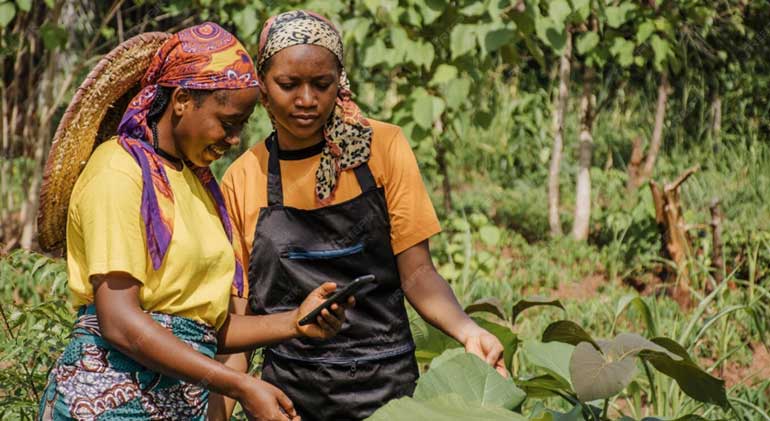
- Mobile apps for market information, input ordering, and record keeping
- Automated irrigation controlled by smartphone
- Digital traceability that connects consumers to producers
For young people comfortable with technology, these tools make farming more efficient, more interesting, and more connected to the modern world.
Entrepreneurship Opportunities
Agriculture is not just about farming—it is a value chain with opportunities at every stage:
- Input supply: Selling seeds, fertilisers, and equipment
- Service provision: Offering ploughing, spraying, or harvesting services
- Processing: Milling, drying, grading, and packaging
- Marketing: Connecting farmers to buyers, building brands
- Logistics: Transporting produce from farm to market
Each of these activities offers entrepreneurial opportunities for young people who may not want to farm directly.
Structured Employment
Commercial agriculture creates structured jobs with regular salaries, career progression, and professional development:
- Farm managers and supervisors
- Agronomists and extension officers
- Quality controllers and laboratory technicians
- Machinery operators and maintenance technicians
- Accountants, marketers, and human resource professionals
These are not “farm jobs” in the traditional sense—they are professional positions in a modern industry.
Curated’s Commitment to Youth Engagement
At Curated Holdings, we are actively working to make agribusiness accessible and attractive to young Ugandans:
Youth Out-Grower Programs
Our out-grower models specifically target young farmers, providing:
- Access to land through group leasing arrangements
- Input packages tailored to youth budgets
- Mentorship from experienced farmers
- Training in both technical and business skills
- Market linkages that ensure young farmers can sell what they produce
Skills Development
We invest in training that prepares young people for agricultural careers:
- On-farm internships and apprenticeships
- Partnerships with agricultural training institutions
- Short courses in specific skills (grafting, irrigation installation, quality grading)
- Business management training for young agri-entrepreneurs
Employment Creation
Our own operations create direct employment for young people:
- Over 60% of our farm workers are under 35
- Management trainee programs develop the next generation of agricultural leaders
- Support roles in logistics, administration, and marketing provide diverse career paths
Technology Adoption
We deliberately incorporate technology into our operations, making them more appealing to tech-savvy youth:
- Precision agriculture tools
- Digital record-keeping and management systems
- Mobile communication with out-growers
- Social media engagement that showcases modern farming
Stories from the Field
The potential of youth in agribusiness is best illustrated through stories:
Sarah, 27, graduated with a degree in information technology but struggled to find formal employment. Through our training program, she learned about digital tools for agriculture and now runs a business providing farm management software to commercial farmers. She employs three other young people and serves clients across three districts.
*Robert, 24, inherited a small plot from his grandmother but lacked the capital to farm it productively. Through our youth out-grower program, he accessed inputs on credit and received training in high-value vegetable production. In his first year, he earned enough to expand to an additional plot and now mentors other young farmers in his village.*
Phiona, 29, manages one of our commercial farms, supervising a team of 25 workers. She started as an intern five years ago and has progressed through multiple promotions. “My friends thought I was crazy to go into farming,” she says. “Now they see my salary and ask how they can get started.”
The Role of Policy and Partners
Unlocking youth employment through agribusiness requires more than individual company efforts. Broader enablers are needed:
Land Access
Innovative models for youth land access—group leases, cooperative ownership, government land allocations—can help overcome the land barrier.
Youth-Tailored Finance
Financial products designed for young farmers—with appropriate terms, flexible collateral requirements, and integrated training—can address the capital constraint.
Curriculum Reform
Agricultural education should reflect the reality of modern agribusiness, with practical skills, business training, and technology integration.
Role Models
Successful young farmers and agripreneurs should be celebrated and elevated as role models, shifting perceptions of what agriculture can offer.
A Call to Action
The challenge of youth unemployment in Uganda is immense, but so is the opportunity. Agriculture, properly structured and positioned, can absorb millions of young people in productive, rewarding, and profitable careers.
At Curated Holdings, we are doing our part—creating opportunities, providing training, and demonstrating that agribusiness is a viable and attractive path for young Ugandans. But we cannot do it alone.
We call on government, development partners, financial institutions, and fellow agribusinesses to join us in making youth agribusiness engagement a national priority. The future of Uganda’s young people—and the future of Uganda’s agriculture—depends on it.
Related: Structured Agribusiness & Poverty Reduction | Sustainable Farming Practices